Chemical Tablet Press Application Checklist Specifications Documents and Lead Time
Selecting a chemical tablet press requires more than comparing machine output and price. Buyers should evaluate the material characteristics, tablet specifications, compression requirements, tooling configuration, safety protection, documentation and delivery schedule before confirming a machine model.
This checklist explains the key information buyers should prepare when sourcing a chemical tablet press machine for catalyst tablets, cleaning tablets, disinfectant tablets and other industrial compression applications.
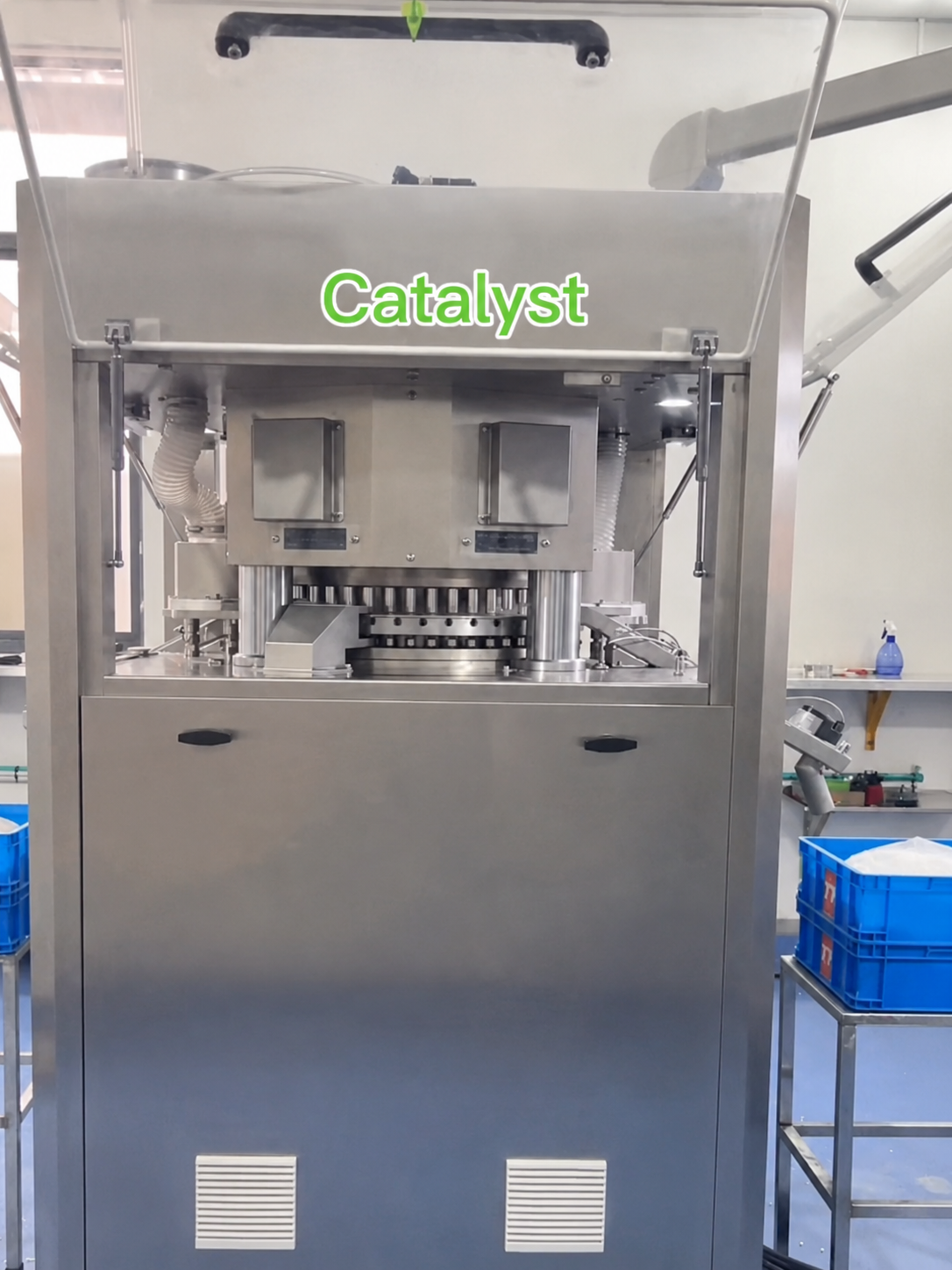
Start with the material characteristics
The physical and chemical properties of the material directly affect tablet filling, compression and discharge. Before selecting a machine, buyers should explain whether the material is abrasive, corrosive, moisture-sensitive, dusty, sticky or difficult to flow.
Information such as particle size, bulk density, moisture content and compressibility helps determine the appropriate feeder, compression force and machine configuration. When possible, material samples or previous tablet samples should be provided for technical evaluation.
Confirm the required tablet specifications
Tablet diameter, thickness, weight, shape and hardness are essential for machine and tooling selection. Round, oval, ring-shaped or specially shaped tablets may require different punch and die designs.
Buyers should also confirm whether the tablet requires a logo, score line, special surface pattern or multiple compression stages. These details should be discussed before tooling production begins.
Information to include in the RFQ
| RFQ information | Why it matters |
|---|---|
| Material characteristics | Helps evaluate flowability, compressibility, corrosion risk, dust generation and feeding requirements. |
| Tablet size, shape and weight | Determines the tooling design, fill depth, tablet thickness and compatible machine model. |
| Required production capacity | Allows the supplier to calculate the required turret speed, number of stations and operating margin. |
| Compression and hardness requirements | Helps confirm whether the machine can achieve the required tablet strength and consistency. |
| Voltage and installation location | Ensures that electrical components and installation conditions match the destination factory. |
| Documentation requirements | Helps prepare manuals, drawings, certificates, spare-parts lists and shipping documents. |
| Expected delivery schedule | Supports realistic production planning, tooling preparation, testing and shipment scheduling. |
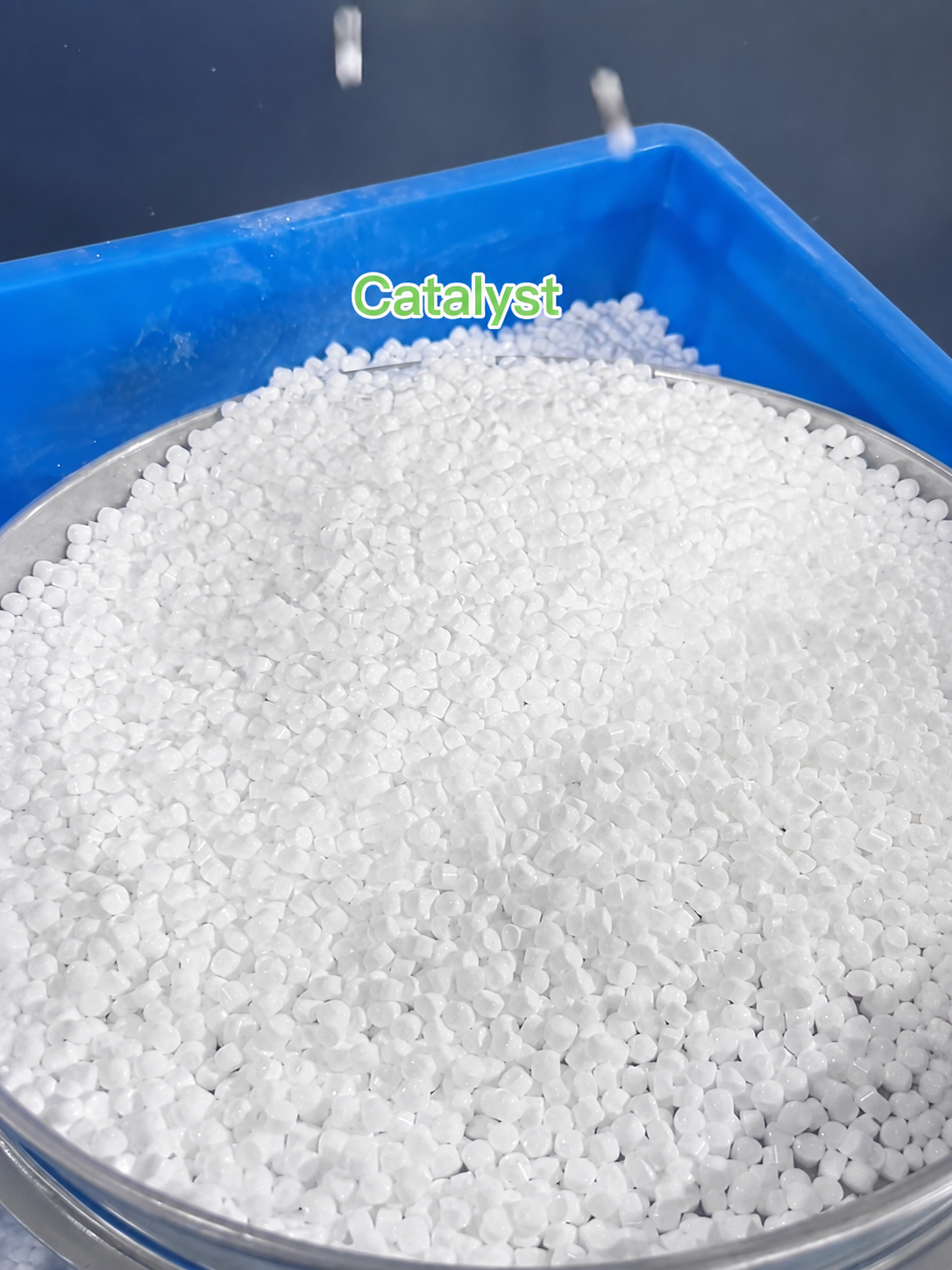
Check contact materials and corrosion resistance
Some chemical powders may be corrosive or abrasive. Buyers should confirm the material used for product-contact parts, feeding components, guards and discharge areas.
The supplier should be informed about any special resistance requirements before quotation. This helps determine whether standard stainless steel is suitable or whether additional surface treatment and wear-resistant components are required.
Evaluate dust control and operator safety
Chemical tablet production may generate dust during feeding, compression and tablet discharge. A suitable machine configuration should support effective sealing, dust extraction and convenient cleaning.
Buyers should also check safety guards, door interlocks, emergency stops, overload protection and access to moving components. Where the material has special safety risks, these conditions should be clearly communicated during technical discussion.
Confirm tooling and spare-parts requirements
Punches and dies are important parts of the tablet compression process. Buyers should confirm the tooling standard, tablet design, number of tooling sets and expected service conditions before placing an order.
Frequently used spare parts may include punches, dies, seals, feeding components, wear parts and lubrication-related components. Preparing a recommended spare-parts package can reduce downtime after the machine enters production.
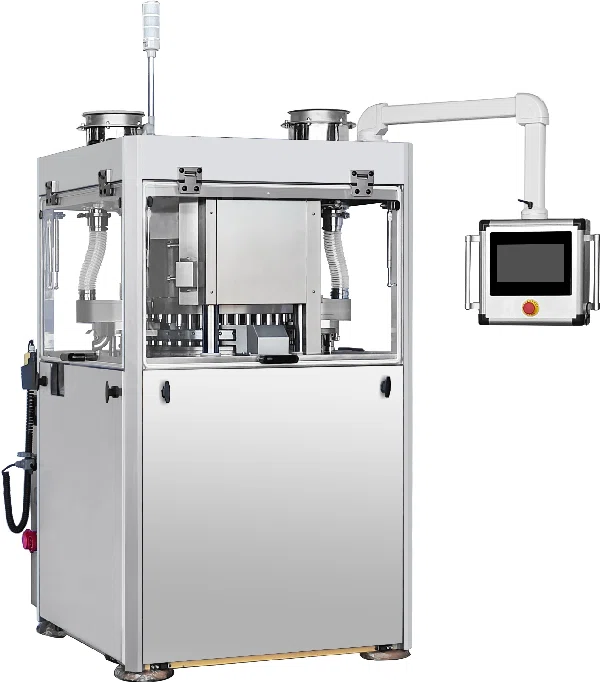
Buyers can review the catalyst tablet press machine range and the complete tablet press product range for additional machine and application information.
Documents to confirm before shipment
Document requirements should be confirmed at the quotation stage rather than after production. Depending on the project, buyers may request an operation manual, electrical diagram, machine layout, spare-parts list, packing list, test records and relevant certificates.
The required document language and destination-market requirements should also be stated clearly to avoid delays before shipment.
Understand the complete lead time
Machine lead time may include technical confirmation, drawing approval, tooling production, machine assembly, electrical configuration, factory testing, packing and shipment preparation.
Customized tooling, special electrical components, corrosion-resistant materials and additional documentation may affect the delivery schedule. Buyers should confirm both the estimated production time and the conditions required to begin production.
Factory testing and acceptance
Before shipment, buyers should confirm the factory testing procedure. Where practical, the test can include machine operation, safety functions, tooling installation, feeding performance, tablet appearance and production stability.
When the actual production material cannot be shipped for testing, a suitable substitute material may be discussed. Test videos, tablet samples and inspection records can also support remote acceptance.
FAQ for chemical tablet press buyers
What information should I send before requesting a quotation?
Send the material description, tablet size, tablet weight, required output, target hardness, tooling requirements, voltage, destination country and expected delivery time.
Can a chemical tablet press be customized?
Machine configuration may be adjusted according to the material, tablet design, production capacity, contact-material requirements and factory conditions. The available options should be confirmed during technical evaluation.
Should I provide material samples?
Material samples are helpful when flowability, compressibility, stickiness or corrosion risk cannot be confirmed from written specifications alone.
What can affect the delivery time?
Tooling design, customized components, electrical configuration, special materials, testing requirements and document preparation may all affect the final schedule.