How to Choose Rotary Tablet Press Machine for International Procurement
Choosing a rotary tablet press machine for international procurement requires more than comparing machine price and maximum output. Buyers should evaluate the raw material, tablet specifications, compression force, tooling standard, production capacity, cleaning requirements, automation level and supplier support before confirming a machine model.
This guide explains the main selection points for buyers sourcing a rotary tablet press machine for pharmaceutical, food, chemical and industrial tablet production.
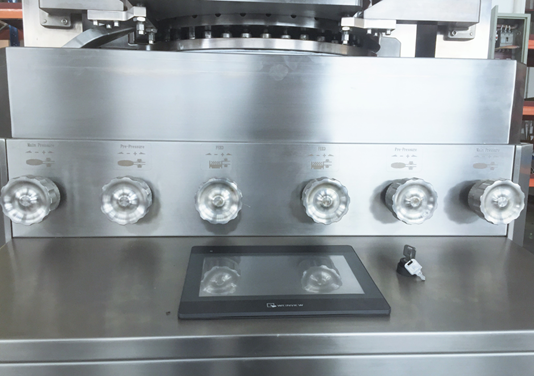
Start with the production application
The first step is to define what product will be compressed and how the machine will be used. Pharmaceutical tablets, food tablets, chemical tablets, detergent tablets and industrial tablets may require different feeding systems, contact materials, cleaning arrangements and safety configurations.
Buyers should provide the application, production environment, operating hours and any special process requirements. This helps the supplier recommend a machine that is suitable for the actual working condition rather than offering a standard model based only on output.
Evaluate the raw material characteristics
Powder flowability, particle size, bulk density, moisture content, compressibility and stickiness can all affect tablet filling and compression stability. Abrasive or corrosive materials may also require special contact parts and wear-resistant components.
When possible, buyers should provide material samples, existing tablet samples or technical data. Material testing can help confirm whether the proposed feeder, compression force and tooling configuration are appropriate.
Confirm the tablet specifications
Tablet diameter, thickness, weight, shape and hardness are essential for selecting the machine and designing the tooling. Round, oval, ring-shaped and specially shaped tablets may require different punch and die configurations.
Buyers should also confirm whether the tablet requires a logo, score line, special pattern or identification mark. These details should be approved before tooling production begins.
Key information to include in the RFQ
| RFQ information | Why it matters |
|---|---|
| Product and material type | Helps evaluate feeding performance, compression behavior, cleaning requirements and contact materials. |
| Tablet size, shape and weight | Determines tooling design, fill depth, tablet thickness and compatible machine configuration. |
| Required production output | Helps select the appropriate number of stations, turret speed and operating capacity. |
| Compression force and hardness | Confirms whether the machine can achieve the required tablet strength and production stability. |
| Tooling standard | Ensures that punches and dies are compatible with the selected machine and tablet design. |
| Voltage and installation country | Allows the electrical system to be configured for the destination factory. |
| Documentation and certification | Helps prepare manuals, electrical drawings, inspection records, certificates and shipping documents. |
| Expected delivery time | Supports realistic scheduling for tooling production, machine assembly, testing and shipment. |
Compare production capacity carefully
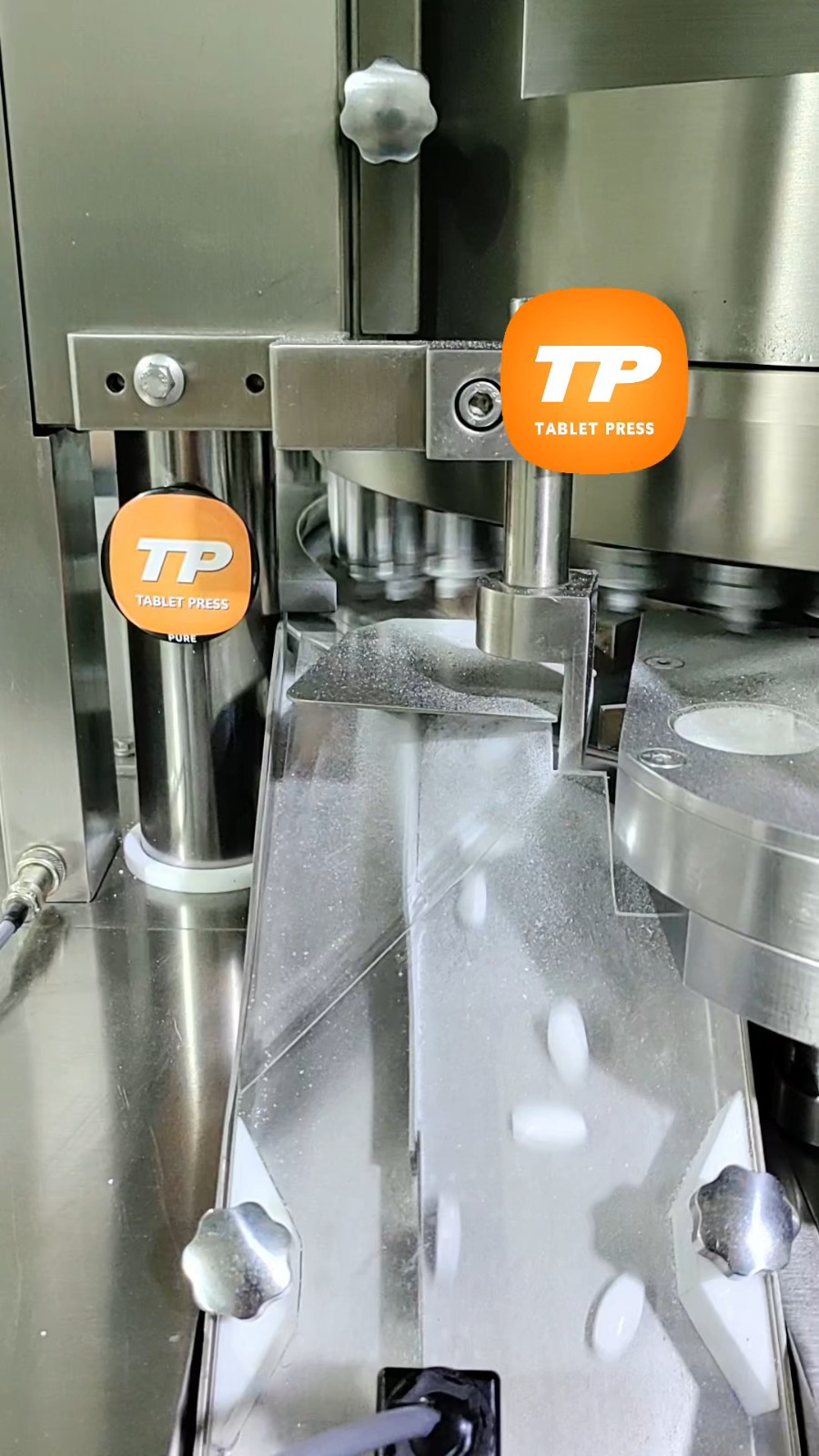
Machine output is normally affected by the number of stations, turret speed, tablet size, filling condition and compression process. The maximum output listed in a catalog may not represent the actual stable output for every product.
Buyers should define the required hourly output and daily operating schedule. It is usually better to select a machine with a reasonable production margin rather than operating continuously at its theoretical maximum speed.
Check the compression system
Compression force directly affects tablet hardness, thickness and consistency. Materials that are difficult to compress may require higher pressure, pre-compression or a longer compression time.
Buyers should confirm the maximum main compression force, pre-compression capability and pressure-monitoring functions. The selected machine should provide sufficient operating margin for the intended product.
Review the feeding system
A stable feeding system helps maintain tablet weight consistency. Free-flowing materials may work with a standard feeder, while powders with poor flowability may require a forced feeder or specially designed feeding components.
The feeder should be evaluated together with the material characteristics, target output and tablet weight tolerance.
Consider cleaning and changeover
Buyers producing multiple products should evaluate how easily the machine can be cleaned and how long it takes to change tooling and feeding components.
Accessible product-contact areas, removable parts and a clear cleaning procedure can reduce downtime between production batches. For pharmaceutical and food applications, hygienic design and contamination control may be especially important.
Evaluate automation and control functions
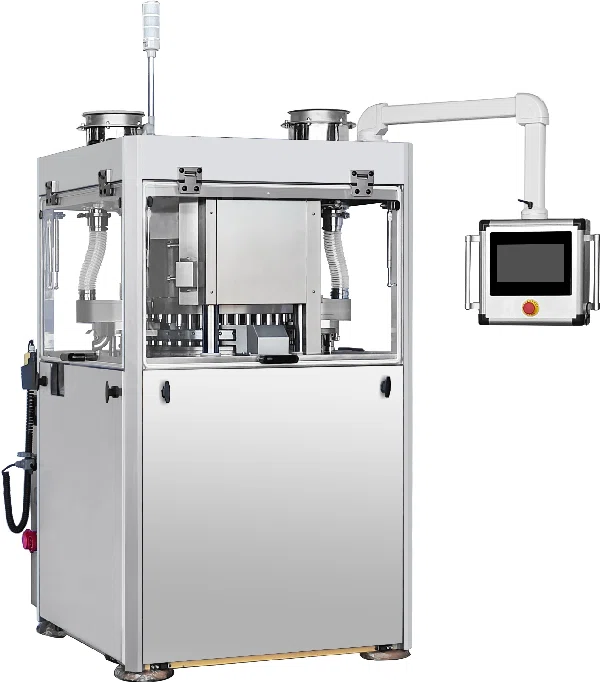
Rotary tablet presses may include touchscreen control, production data display, pressure monitoring, automatic lubrication, fault alarms and safety interlocks.
Buyers should select the required automation level according to the production process, operator experience and quality-control requirements. Additional functions should provide practical production value rather than increasing complexity without a clear purpose.
Confirm tooling and spare-parts support
Punches and dies are critical to tablet quality and machine performance. Buyers should confirm tooling material, tablet design, tooling standard, expected service life and replacement availability.
A recommended spare-parts package may include punches, dies, seals, feeder parts, lubrication components and frequently replaced wear parts. Preparing essential spares can reduce production downtime after installation.
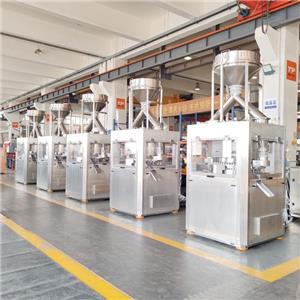
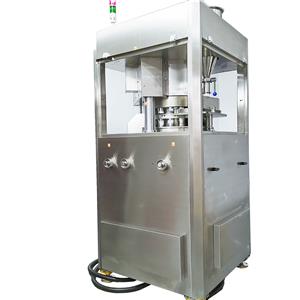
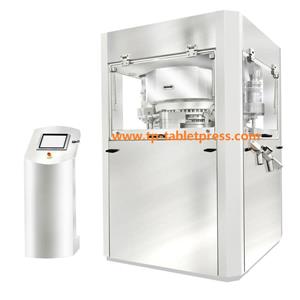
Buyers can review the TP tablet press machine range for additional information about available machine configurations and production applications.
Inspect the machine before shipment
Factory acceptance testing should confirm machine operation, safety functions, tooling installation, feeding performance, compression stability and tablet appearance.
Buyers may request test videos, tablet samples, inspection records and photos of the machine before packing. When the actual production material is available, sample testing can provide a more reliable evaluation.
Confirm documents and delivery arrangements
Required documents should be confirmed before production. Depending on the project, buyers may need an operation manual, electrical diagram, machine layout, spare-parts list, test report, certificate, packing list and shipping documents.
Buyers should also confirm the production lead time, tooling lead time, packing method, shipping terms, installation support and operator training arrangements.
Common mistakes to avoid
Common purchasing mistakes include choosing a machine only by maximum output, ignoring material characteristics, failing to confirm tooling details and underestimating cleaning or changeover time.
Buyers should also avoid comparing quotations before confirming whether the offered machines include the same control system, feeder, tooling, safety features, spare parts, documents and services.
FAQ for rotary tablet press buyers
What information should I provide before requesting a quotation?
Provide the material type, tablet size, tablet weight, required output, compression requirements, tooling standard, voltage, destination country and expected delivery schedule.
How is rotary tablet press output calculated?
Output depends on the number of tooling stations, turret speed and production conditions. Actual stable output may vary according to the material, tablet size and compression process.
Can the supplier help select the machine model?
Yes. Clear application data allows the supplier to compare suitable models and identify possible risks before the machine is ordered.
Should material samples be tested before purchase?
Sample testing is recommended when the material has uncertain flowability, compressibility, stickiness or other special characteristics.